
The Ultimate Guide to Retail Store Layouts
[ad_1]
The first step to maximizing the cost-effectiveness of your retail space may be the most unavoidable, but the concept and knowledge of customer behavior are essential to understanding your overall layout strategy. Each floor plan and store layout depends on the type of products sold, the location of the building, and what the company can afford to put into the overall store design.
A solid floor plan perfectly balances an optimal customer experience while still maximizing revenue per square foot. Retailers far too often overlook the former of these two aspects – they focus on revenue and prefer to sweep the customer experience under the rug. Retailers who provide a good experience have higher revenues than those who don’t, even if the square footage is comparatively smaller.
For example, some retailers clutter the sales floor with too much merchandise. While this increases choice, it also reduces customer traffic space. Overcrowded stores overwhelm many consumers, who typically prefer cleaner, wider aisles that minimize the stress of shopping. Take a look at pretty much any of the major U.S. department stores. They’ve made this approach to their layout a clear priority.
While spaciousness and cleanliness are paramount to providing a great shopping experience, retailers do have some choices when it comes to the style of their layout. In the past, we covered eight different types of retail store floor plans: Free-Flow, Grid, Straight, Racetrack, Herringbone, Diagonal, Angular, and Geometric/Mixed. Learn more about retail store floor plans here.
Step 2: Identify Traffic Flow And Customer Behaviors
The next step in getting the most out of your retail space is identifying your customer flow. The most effective method of understanding your existing customer flow and identifying areas of opportunity is through video recording and heat mapping analysis. This service is available from solution providers such as Prism (you can also run a quick search online for heat mapping consultant services in your area).
As a more manual approach, you can also set aside different times of the day to conduct in-store observations in person and record your notes. This is also an excellent way to identify customer flow patterns.
There are some key customer behaviors you need to understand and address in this part your floor planning:
-
Decompression at the entrance
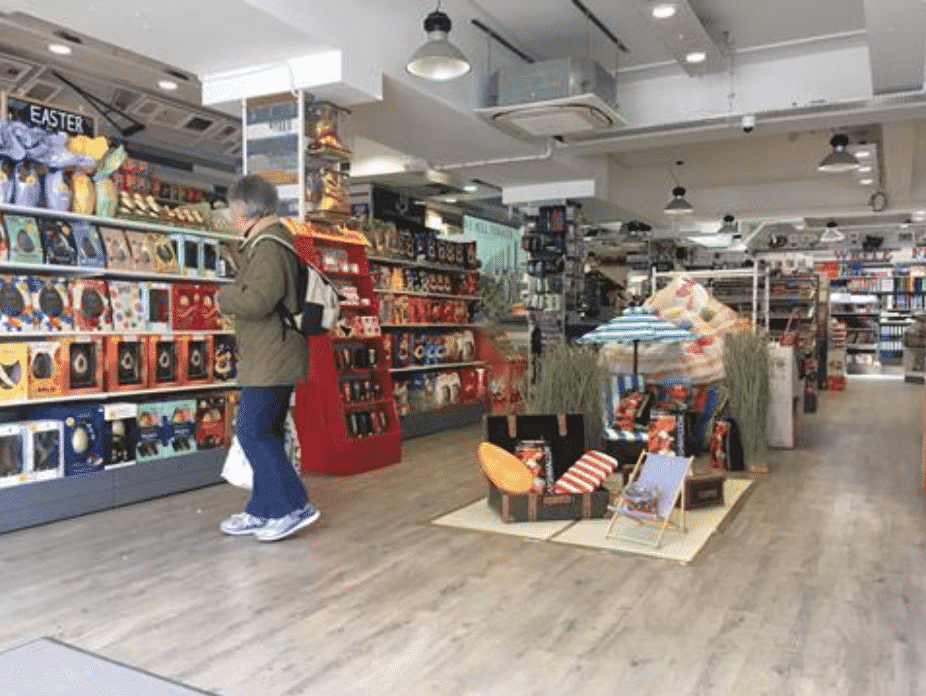
When a shopper enters a store, retailers need to shift their mindset to a calmer state, allowing them to have a more positive shopping experience and spend more time, and, ultimately, money at your store. This is why the decompression zone is so critical; it enables the consumer to adjust to the outside ‘noise’ and focus on the actual shopping experience without distraction. To meet this need and ensure that your customers are not overwhelmed upon entry, you should create a decompression zone within your entrance’s first five to fifteen feet. As they enter, they take stock of your store, form an opinion about your brand, and may even unconsciously judge the items and prices they expect to find.
In the United States, most customers automatically turn right when they enter a store. That’s why you should steer customers to the right and highlight the right side of your store. The right side of your store, especially the area just past the decompression area, is the best place for promotional displays.
“For example, walk into a Safeway grocery store in the chain’s upscale Marketplace format, and your eye is drawn to the floral department on the right. The bright colors and floral scents remind customers of happy times in their lives”, says Dyches, director of customer experience for retail branding firm Ikonic Tonic in Los Angeles. It puts shoppers in a good mood and encourages them to move to the right and start walking around the store counterclockwise.
Customers don’t like to feel crowded when they shop, so you need to provide enough room to move around. Aisles should be wide enough to allow customers to stroll, not bump into other customers, and most importantly, pick up and carry items to the checkout to make a purchase.
Aisle width is an essential aspect of good store planning. It is recommended to have aisles at least 3.5 feet wide so that strollers and wheelchairs can fit comfortably and customers can navigate both sides without feeling crowded. Also, consider whether your customers will be using a cart or baskets so that you can provide extra space for two-way passage.
You Might Also Want to Read: Improve the Retail Checkout Experience: 10 Crucial Tips
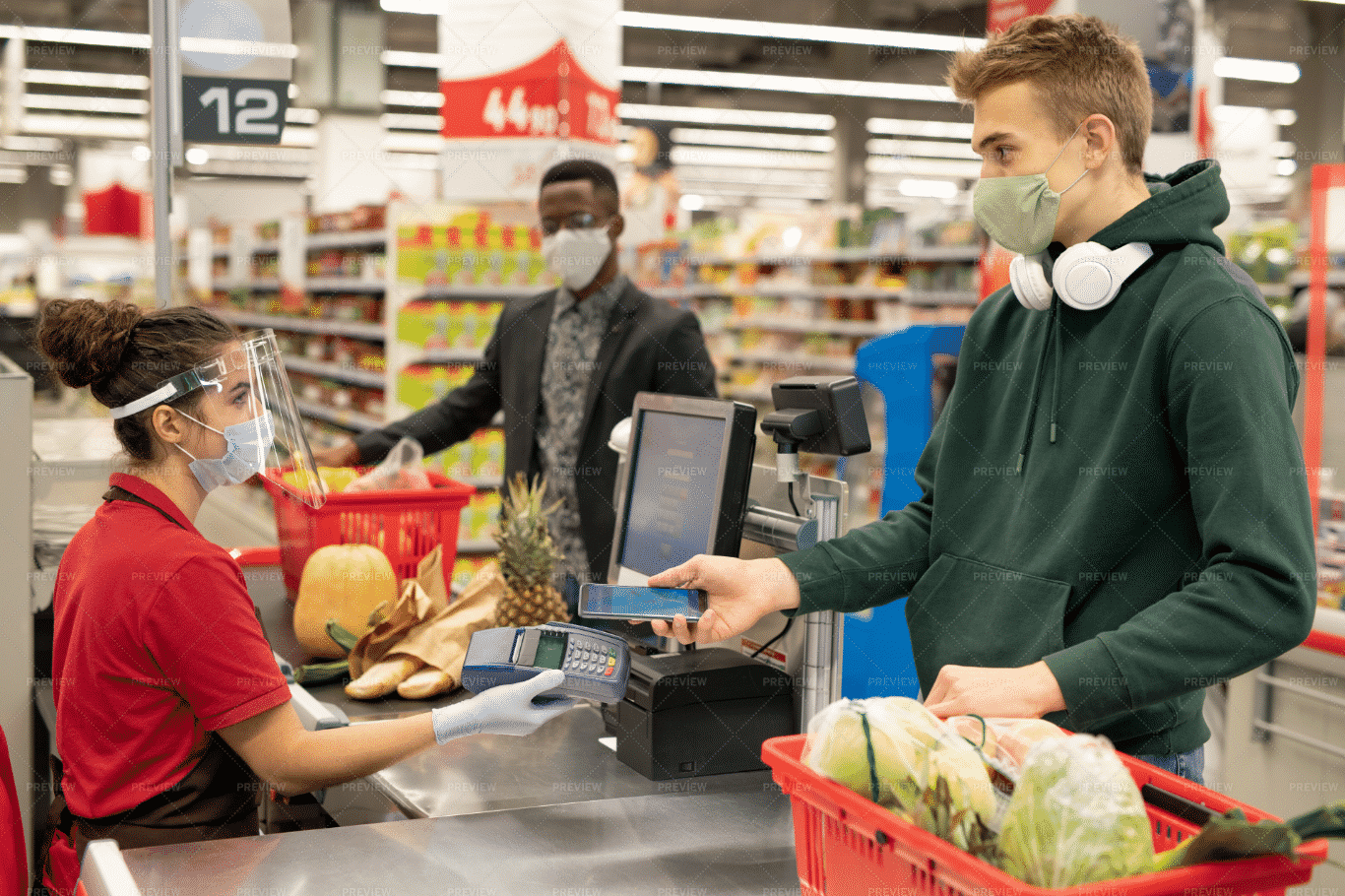
Typically, the front left side of a retail store is an ideal location for the checkout counter. Consumers naturally move to the right as they enter a store, make their purchase, and leave through the left.
A checkout counter located at the front left of your store sets the last step of the shopping experience on your customers’ natural exit path. Additionally, this location doesn’t divert customers’ attention from their purchases or take up product display space.
Although the front-left location is best for most businesses, it makes sense to place the checkout film at the back of the store for some stores. This is perfect for large retailers with many associates in the store at a time, as it frees up space for products at the front of the store. However, back-of-store placement is not practical for smaller retailers with limited staff, as this placement can potentially leave the front of the store unsupervised.
Read also: 8 Tips for a Fast Retail Checkout Experience in High-Volume Stores
Step 4: Refresh Your Displays More Often
Several factors can influence how often you refresh your store’s displays: how often new merchandise is delivered, whether your products are seasonal, and how regularly customers return.
Keeping your displays and merchandise assortment updated regularly will give customers a fresh look at new products each time they enter your store. Try different strategies to refresh your displays. For example, rotate products weekly or bi-weekly to see how this affects sales. You can do this by moving merchandise from the middle of the store to the front and from the front to the back, or any other way you see appropriate.
Whenever you receive a new shipment of merchandise, it is essential to display it immediately and in a high-traffic area of your store. The goal is to ensure that customers do not become so familiar with your store and the merchandise you display that they stop coming in.
Step 5: Priorities for Vertical Shelving
Products are organized vertically in most brick-and-mortar stores, based not only on the type of products they sell but also on their target customers. Usually, the products that generate the most sales or are the most desirable are placed at eye level, making them easier to see, while the lesser-selling products are at the top and bottom of the shelves.
[ad_2]
Source link